








Understanding Cool Beans
What is Cool Beans and how does it keep me cool?
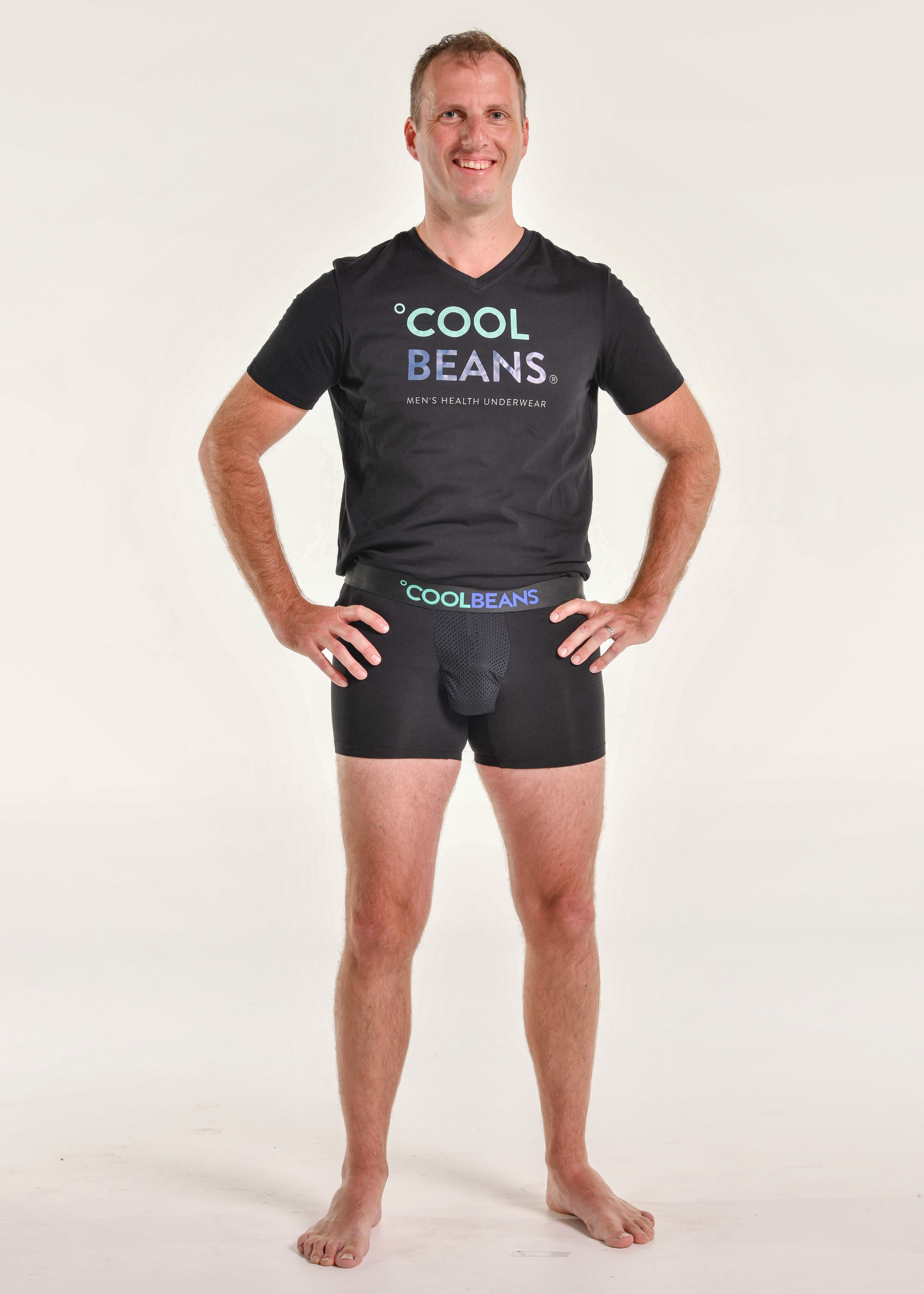
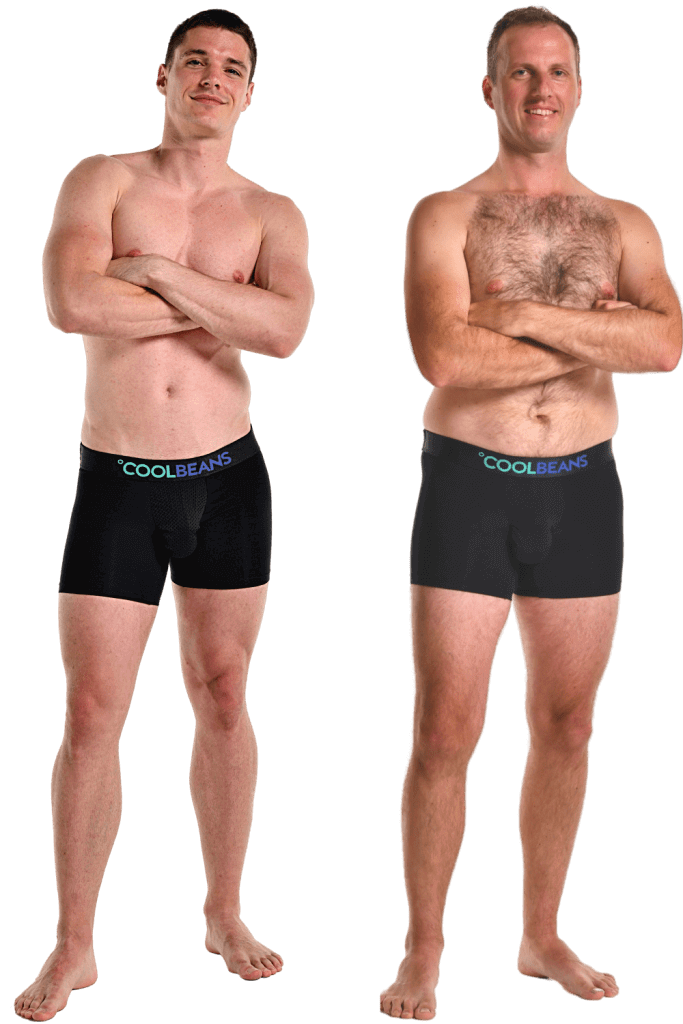
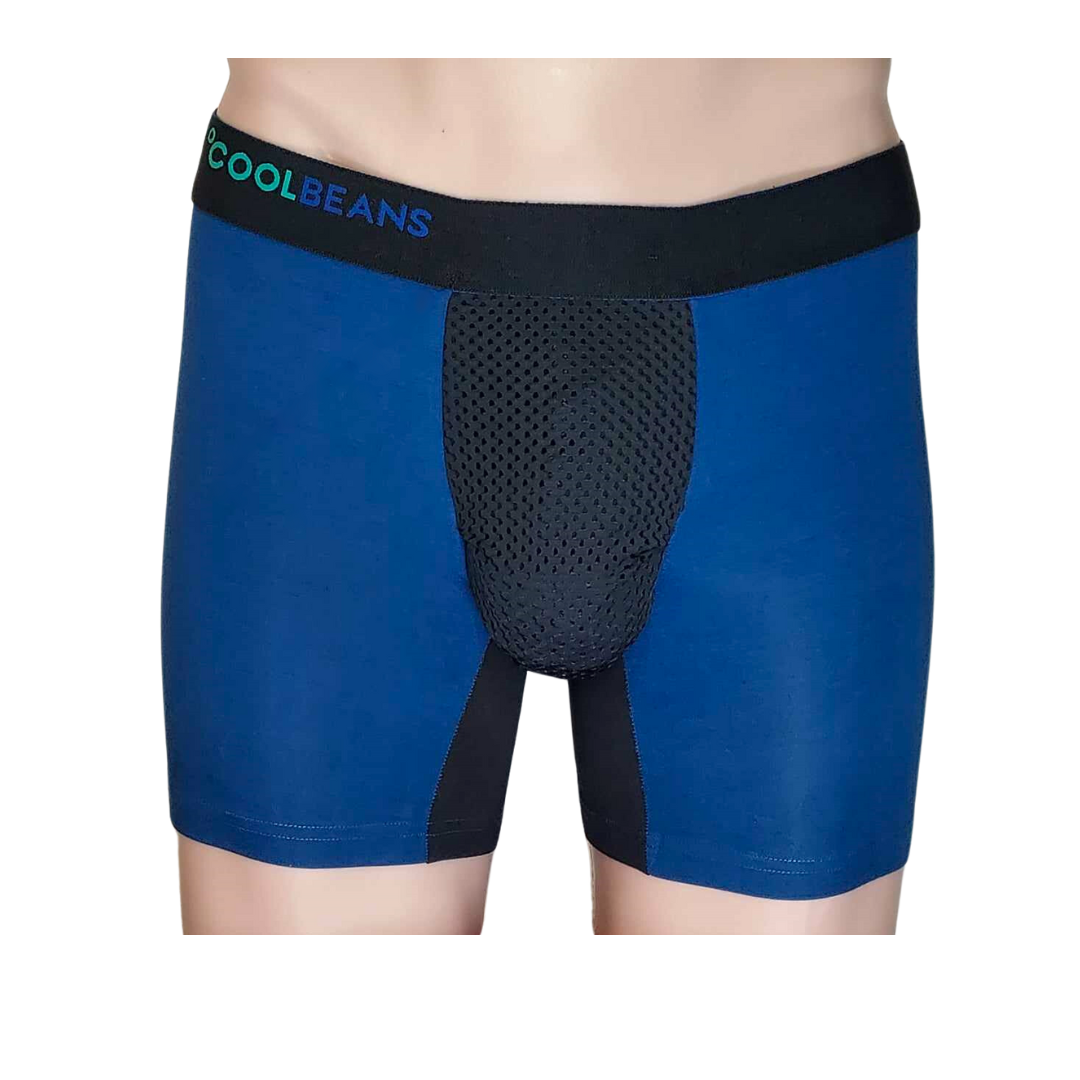
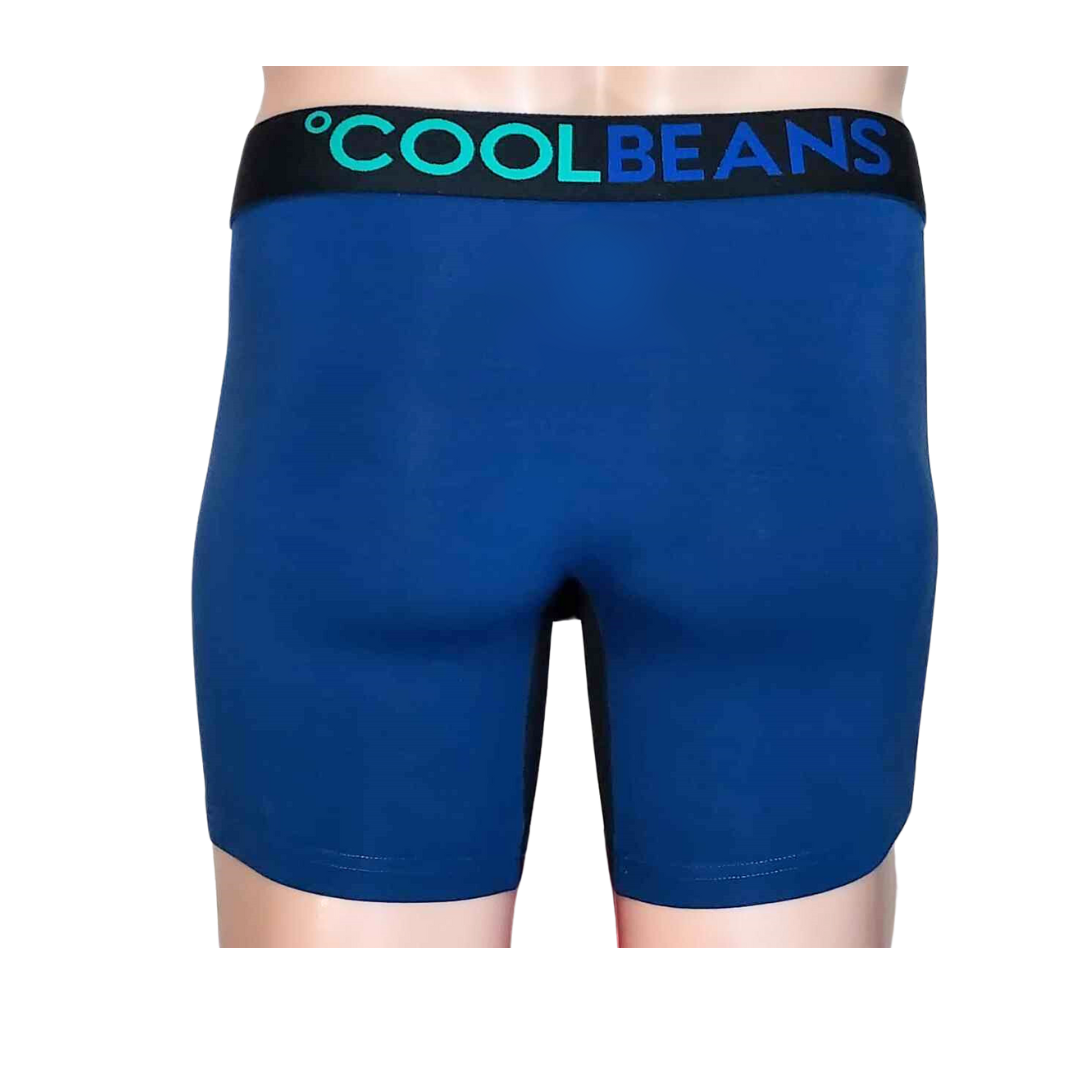
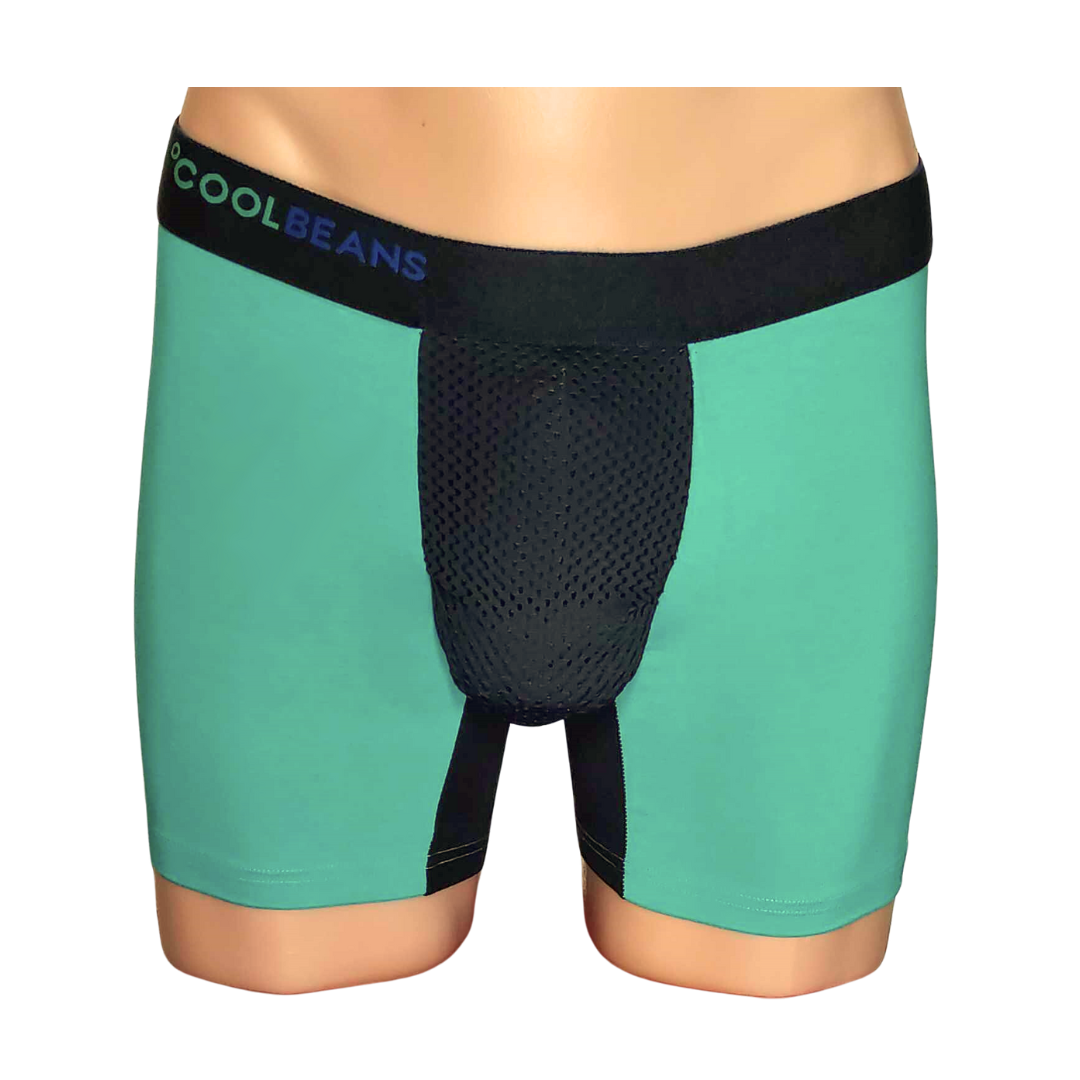
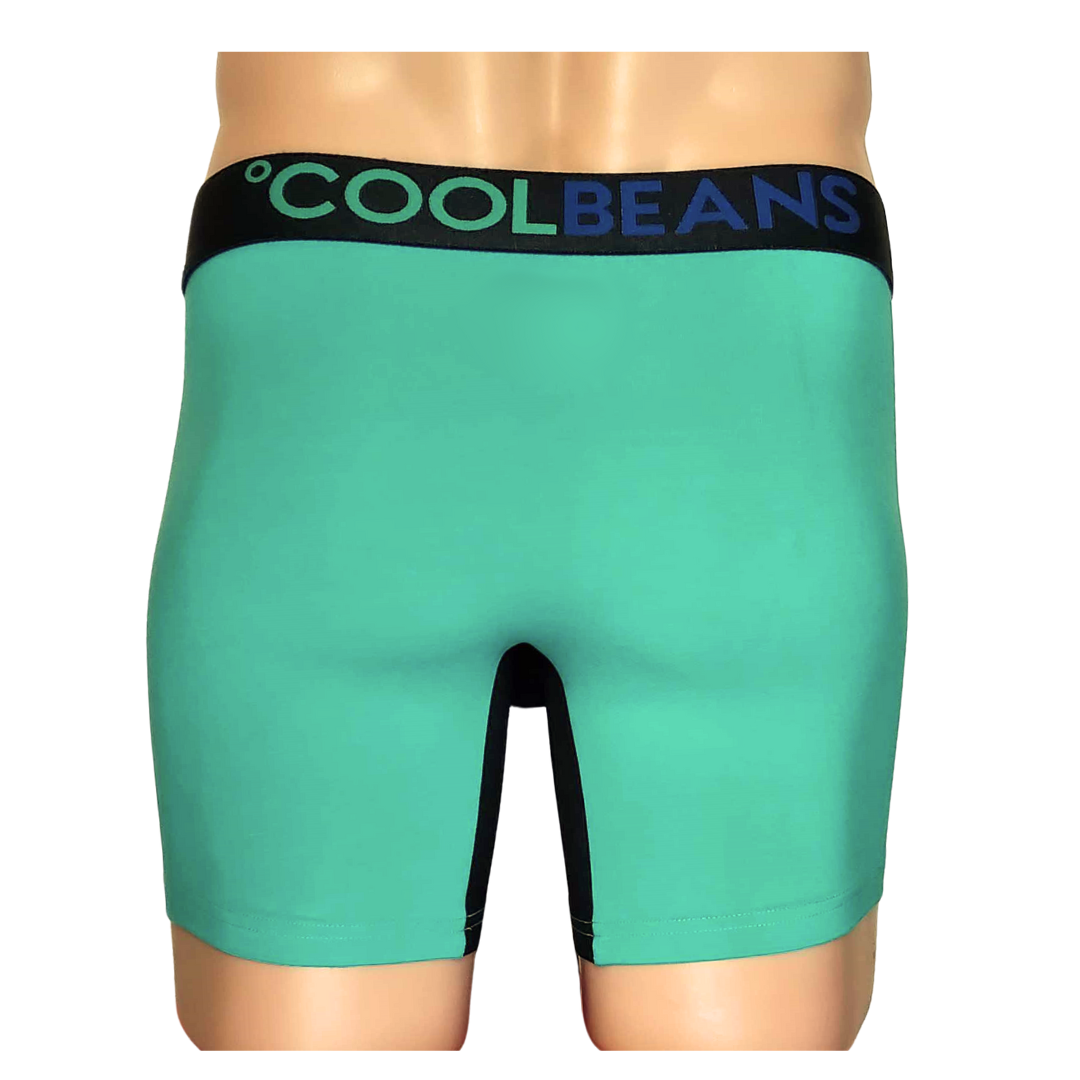
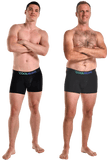
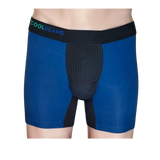
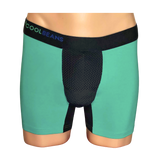
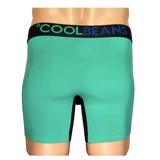
Our patented elasticised air-flow mesh pouch lifts the scrotum forward, away from the thighs, so body-core heat dissipates instead of being trapped. The open-weave mesh and premium, polyester-free fabrics let heat and moisture escape, maintaining a testicular temperature that’s up to several degrees cooler than ordinary briefs. In short: more air circulation, less squeeze, better biology.
Is Cool Beans a medical device?
Yes. Mahtava Enterprises Pty Ltd – Testicular temperature regulation underpants are entered in Australia’s ARTG 379655 (Class I). Registration recognises the intended purpose; it doesn’t claim guaranteed outcomes.
Fertility & Men's Health
Can cooler underwear really improve fertility and testosterone?
Yes. Elevated scrotal temperature is a well-documented enemy of both sperm quality and endogenous testosterone production. By passively keeping the testes closer to their optimal 34 °C zone, Cool Beans supports higher sperm count, motility, and hormonal output. The design is registered with Australia’s Therapeutic Goods Administration (ARTG 379655) as a Class I medical device, and is recommended by urologists and fertility clinics for exactly this purpose
How does scrotal temperature affect sperm and hormones?
Spermatogenesis runs best when the testes sit a few degrees below core body temperature—about 34–35 °C. When heat builds up (tight clothing, thighs pressed together, hot seats, saunas, fever), semen quality—count, motility, and morphology—can drop. Keeping air moving around the scrotum helps maintain that cooler zone and supports normal testicular function.
How long until changes show up on a semen analysis after reducing heat exposure?
Sperm take ~74 days to develop, plus ~10–15 days to transit the epididymis. Most lifestyle changes show up on testing after 2½–3 months; sometimes it takes two full cycles.
Does looser or tighter underwear matter for fertility?
Large clinical data suggest men who typically wear looser underwear show higher sperm concentration and total count than those in tighter styles—likely due to lower scrotal heat. (If counts are already normal, the difference may be small.) Cool Beans provides support without squeeze, prioritizing airflow.
What everyday habits raise scrotal temperature and what can I do about them?
Everyday habits that raise scrotal temperature include sitting for long periods with your thighs pressed together or wearing tight pants, resting a laptop directly on your lap, and using hot tubs, saunas, or heated car seats; high-intensity cycling can also add heat. To help keep things cooler—especially while trying to conceive—take regular standing or walking breaks, place laptops on a desk or tray instead of your lap, limit hot-water/sauna/seat heat, and when cycling, use a cut-out saddle, stand on climbs, cool down promptly, and wear breathable, airflow-focused underwear like Cool Beans.
I’m a cyclist. Can saddle heat or compression affect fertility?
Extended rides can raise scrotal temperature and compress perineal vessels and nerves. Practical tweaks—bike fit, cut-out saddle, standing intervals, breathable shorts—plus cooling underwear can reduce heat load and irritation. If you have numbness, pain, or erectile symptoms, see a clinician.
Does fever temporarily reduce sperm quality?
Yes. After a febrile illness, semen parameters can dip for one or more spermatogenic cycles; they often recover as new, heat-unexposed sperm enter the ejaculate. If you’re actively trying, consider re-testing 3 months after recovery.
Can underwear fix varicocele?
A varicocele (dilated scrotal veins) can warm the testes and impair sperm quality. Supportive, cooling underwear may improve comfort and reduce heat load, but it doesn’t treat the vein abnormality. Evaluation by a urologist is recommended if you suspect varicocele.
When should I seek professional medical advice?
If you’ve tried to conceive for 12 months (6 if partner ≥35), or if you notice pain, swelling, a new lump, prior testicular surgery/trauma, erectile issues, or a history of undescended testicles, consult a clinician. Cooling underwear is a helpful adjunct—not a substitute for medical care.
Fit & Use
How should Cool Beans fit to maximise airflow and comfort?
Choose a pouch size that lifts the scrotum forward without compressing it. You want support + airflow, not squeeze. If in doubt between sizes, pick the looser pouch for more circulation.
Can I wear Cool Beans every day or while exercising?
Absolutely. The underwear was engineered for all-day comfort at the office, during sleep, light workouts, walking, or weight training. Cyclists also love the reduced saddle heat and compression. For high-intensity running or contact sports, hold tight—our performance line Cool Beans Fit is on the way.
Scientific References
Where can I see the studies, data, or articles you used?
- Australian Government Department of Health and Aged Care. Therapeutic Goods Administration (TGA) – Australian Register of Therapeutic Goods (ARTG): Cool Beans Underwear® (ARTG 379655).
- Durairajanayagam D, Agarwal A, Ong C, Prashast P. Causes, effects and molecular mechanisms of testicular heat stress. Reproductive BioMedicine Online. 2015;30(1):14-27. doi:10.1016/j.rbmo.2014.09.018. PMID:25456164.
- Koskelo R, Zaproudina N, Vuorikari K. High scrotal temperatures in men: a reason for infertility? Pathophysiology. 2005;11(4):221-224. PMID:15837168.
- Song WW, Zhu Q, Liu JF, Jiang HC. Effect of air conditioning and a chair cushion on scrotal temperature. International Journal of Andrology. 2007;31(4):418-426. PMID:17373979.
- Jung A, Schuppe HC. Influence of the type of undertrousers and physical activity on scrotal temperature. Human Reproduction. 2002;17(9):2548-2553. PMID:12351549.
- Jung A, Schuppe HC. Influence of the type of undertrousers and physical activity on scrotal temperature. Andrologia. 2007;39:203-215. doi:10.1111/j.1439-0272.2007.00772.x.
- Wang C, McDonald V, Leung A, et al. Effect of increased scrotal temperature on sperm production in normal men. Fertility and Sterility. 1997;68(2):334-339. doi:10.1016/S0015-0282(97)81525-7. PMID:9240266.
- Hjollund NHI, Bonde JPE, Jensen TK, et al. Diurnal scrotal skin temperature and semen quality in fertile men. Human Reproduction. 2002;17(11):2899-2905. PMID:12128094.
- Hjollund NHI, Storgaard L, Ernst E, et al. Repeated semen samples from fertile men: decline in sperm concentration and motility after short-term scrotal insulation. Reproductive Toxicology. 2002;16(1):53-58. PMID:11955967.
- Levine H, Jørgensen N, Martino-Andrade A, et al. Temporal trends in sperm count: a systematic review and meta-regression analysis. Human Reproduction Update. 2017;23(6):646-659. doi:10.1093/humupd/dmx022. PMID:28981654.
- Levine H, Jørgensen N, Martino-Andrade A, et al. Temporal trends in sperm count: updated systematic review and meta-regression analysis. Human Reproduction Update. 2022;28(4):563-586. doi:10.1093/humupd/dmac015. PMID:36377604.
- Travison TG, Araujo AB, O’Donnell AB, Kupelian V, McKinlay JB. A population-level decline in serum testosterone levels in American men. Journal of Clinical Endocrinology & Metabolism. 2007;92(1):196-202. doi:10.1210/jc.2006-1375. PMID:17148551.
- Shafik A. Effect of different types of textile fabric on spermatogenesis: I. Electrostatic potentials generated on the surface of human scrotum. Archives of Andrology. 1992;29(3):179-184. PMID:1456835.
- Shafik A, Bedeir GA. Effect of different types of textile fabric on spermatogenesis: II. Experimental study. Archives of Andrology. 1993;30(1):1-9. PMID:8279095.
- Mieusset R, Bujan L. Testicular heating and its possible contributions to male infertility: a review. International Journal of Andrology. 1995;18(4):169-184. PMID:8557833.
- Kleisner K, Ivell R, Flegr J. The evolutionary history of testicular externalization and the origin of the scrotum. Journal of Biosciences. 2010;35(1):27-37. PMID:20413907.
- Lokeshwar SD, Harper BT, Webb E, et al. Epidemiology and treatment modalities for the management of prostate cancer. European Urology Focus. 2021;7(4):886-892. doi:10.1016/j.euf.2020.11.002.
- Reijnen A, Geuze E, Vermetten E. Individual differences in plasma testosterone levels and trauma-focused therapy response in male veterans with posttraumatic stress disorder. Psychoneuroendocrinology. 2015;51:525-532. doi:10.1016/j.psyneuen.2014.10.005.
- van Hooff M, McFarlane AC, Baur J, Abraham M, Barnes DJ. The stressor criterion-A1 and PTSD: a matter of opinion? European Journal of Psychotraumatology. 2014;5:23950. doi:10.3402/ejpt.v5.23950.
- StatPearls Publishing. Varicocele. StatPearls [Internet]. Treasure Island (FL): StatPearls Publishing; updated 2023.
- Fei Wang, Chuanyi Hu, Guozeng Wang. Development and application of scrotum belt in patients with hydrocele. International Journal of Clinical and Experimental Medicine. 2017;10(8):12467-12471.
- Bai Y, et al. Cryotherapy relieves pain and edema following inguinal hernioplasty in males with end-stage renal disease: a prospective randomized study. Journal of Pain and Symptom Management. 2018. PMID:30025940.
- Leung V, et al. Cooling for the reduction of postoperative pain following inguinal hernia repair. Hernia. 2006. PMID:16432641.
- Bayraktar U, et al. Scrotal cooling as a protective method in tissue preservation after testicular torsion. (Open access review/article). 2022. PMC8771140.
- Bhasin S, Brito JP, Cunningham GR, et al. Testosterone therapy in men with hypogonadism: an Endocrine Society clinical practice guideline. Journal of Clinical Endocrinology & Metabolism. 2018;103(5):1715-1744. doi:10.1210/jc.2018-00229.
- Hoyos CM, Killick R, Yee BJ, et al. Effects of testosterone therapy on sleep and breathing in obese men with severe obstructive sleep apnoea: a randomized placebo-controlled trial. Clinical Endocrinology (Oxf). 2012;77(4):599-607. PMID:22512435.
- Crosnoe LE, Grober ED, Ohl D, Kim ED. Exogenous testosterone: a preventable cause of male infertility. Translational Andrology and Urology. 2013;2(2):106-113. PMID:26813847.
- Kong A, Frigge ML, Masson G, et al. Rate of de novo mutations and the importance of father’s age to disease risk. Nature. 2012;488(7412):471-475. doi:10.1038/nature11396.
- Interaction effects of temperature and ozone on lung function and markers of systemic inflammation, coagulation, and fibrinolysis: a crossover study of healthy young volunteers. Environmental Health Perspectives. 2014. doi:10.1289/ehp.1307986. PMID:25514459.
- Yehuda R, Daskalakis NP, Lehrner A, et al. Influences of maternal and paternal PTSD on epigenetic regulation of the glucocorticoid receptor gene in Holocaust survivor offspring. American Journal of Psychiatry. 2016;173(8):856-864. doi:10.1176/appi.ajp.2016.15121571. PMID:26410355.
- Dasgupta N, Asgari S. Seeing is believing: exposure to counterstereotypic women leaders and its effect on the malleability of automatic gender stereotyping. Journal of Experimental Social Psychology. 2004;40(5):642-658. doi:10.1016/j.jesp.2004.02.003.
- Henning P, et al. 2014. Journal of Clinical Endocrinology and Metabolism. 99(3):956-964.


